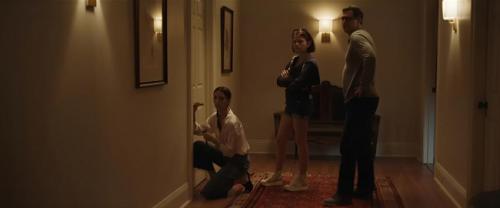
Nestled in the humid, swampy backwoods of Louisiana, a big empty house sets the stage for A House on the Bayou (2021). This horror hybrid, part psychological puzzle, part supernatural tease, doesn’t go for the jugular, but there’s still something interesting about what it brings to the table, and it’s more than just some veal cutlets.
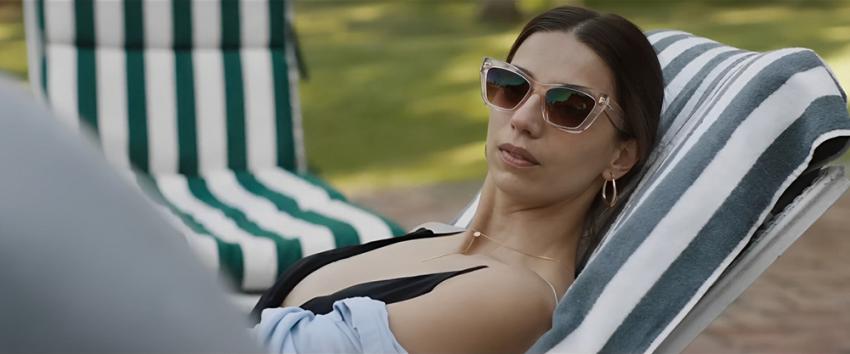
A stain of infidelity threatens to unravel the polished world of Jessica Chambers (Angela Sarafyan), a driven realtor who’s not ready to burn down her marriage over her husband’s reckless indiscretion. Instead of destroying the life they’ve built together, especially for the sake of their daughter, Abby (Lia McHugh), she lays down an ultimatum in a last-ditch effort to save the marriage: a getaway to a secluded house on the bayou, listed for sale by one of her clients, where she’s also been tasked with setting up a virtual tour.
The whole point of this bayou escapade is to drag John (Paul Schneider) far from his sidepiece, Vivian, and plop him in a swampy nowhere where he can stew in his own guilt. Jessica’s banking on this distance to clear her head and figure out if their marriage is worth saving, or if the creepy old house will just eat their relationship alive, which, honestly, feels like a fair bet.
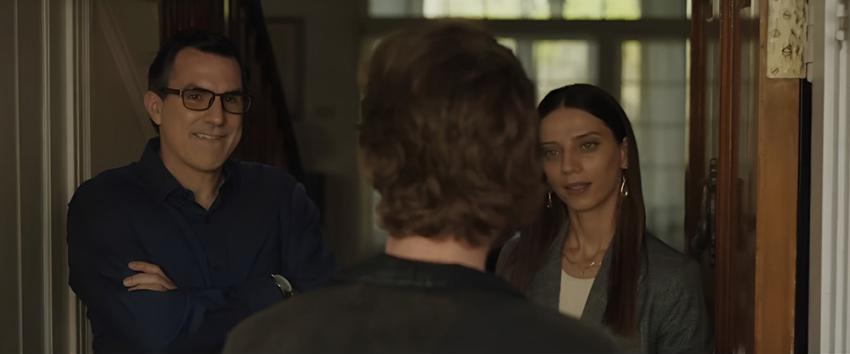
Nothing says "let’s fix our marriage" like holing up in a creepy old house, especially when the marriage seems all but beyond repair. The much-needed getaway doesn’t appear to be the solution either, as Sophie’s character simmers with resentment toward her husband, hurling razor-sharp barbs and icy glares at John over everything, even something as trivial as dinner plans, turning every moment into a tense standoff.
Leave it to the movie to make us feel bad for John, the guy who blew up his marriage with a reckless affair. Despite being the clear villain of his own story, the way he’s doghoused by his wife somehow worms its way into our hearts, pulling us into his corner even as we know he’s the architect of their misery.
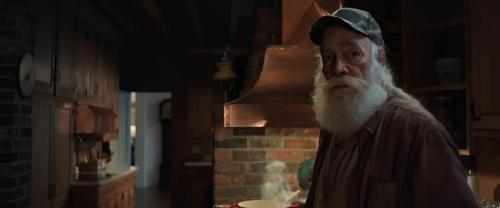
Given all this, our first impression is that we’re not quite sure who we should be more scared or wary of, Sophie with her simmering hostility, or the two locals that John and their daughter Anna encounter at the town’s grocery store: Isaac (Jacob Lofland) and Grandpappy (Doug Van Liew). The elder of the two, Grandpappy, has that classic ‘get off my swamp’ attitude, but then slips a cryptic warning into John’s receipt, making us question whether he’s just a menacing crank or some kind of strange, backwoods guardian angel.
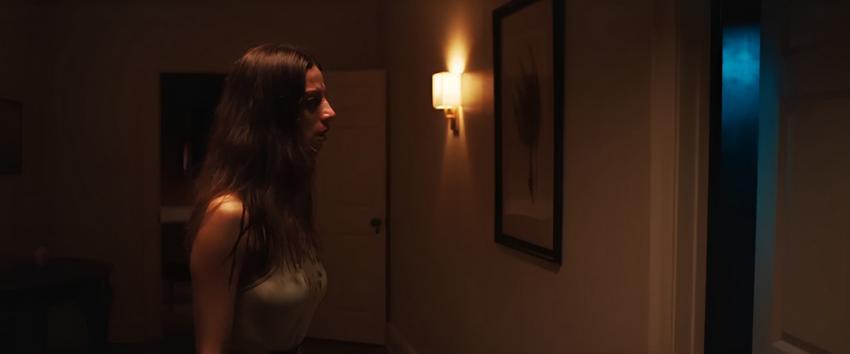
In the Bayou, Grandpappy’s warning hits home when a sealed-off door in the house hums with unsettling purpose, guarding a dark secret or caging something desperate to break free. Who knows? But it’s easily the movie’s biggest misstep. This door shtick feels like it wandered in from a different story altogether.
Thanks to Abby’s big mouth spilling their location, the weird locals Isaac and Grandpappy waltz into the bayou house with a so-called neighborly grin that feels more like a crocodile’s smile, setting the stage for a Clue-like spiral of suspense and mistrust, doling out just enough to keep us guessing without giving everything away too soon or spilling the whole spooky pot.
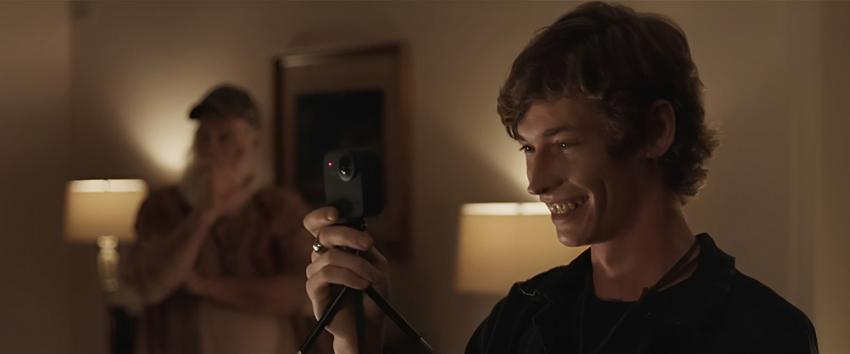
A House on the Bayou’s biggest sin? It’s a relentless tease, dangling its juiciest mysteries like a carrot before yanking them away, leaving us with scraps when we’re craving a full-course meal, holding back just when we’re ready to lean in. It’s a missed opportunity for a story that could have been much more if it had dared to embrace its potential with bolder, deeper strokes.